
How Do You Cut Business Taxes by 40%?
Peter Holtz, CPA and Certified Tax Planner with nearly 40 years of experience, joins 21st Century Entrepreneurship with Martin Piskorik to discuss why many entrepreneurs misunderstand taxes, profits, and financial strategy. In this episode, Peter introduces his Business Wealth Cycle, a practical framework for understanding profitability, minimizing taxes, reinvesting savings, and compounding wealth over time. Learn how strategic tax planning can help business owners potentially reduce taxes by up to 40%, keep more of their profits, and build long-term financial security.
3/9/20262 min read
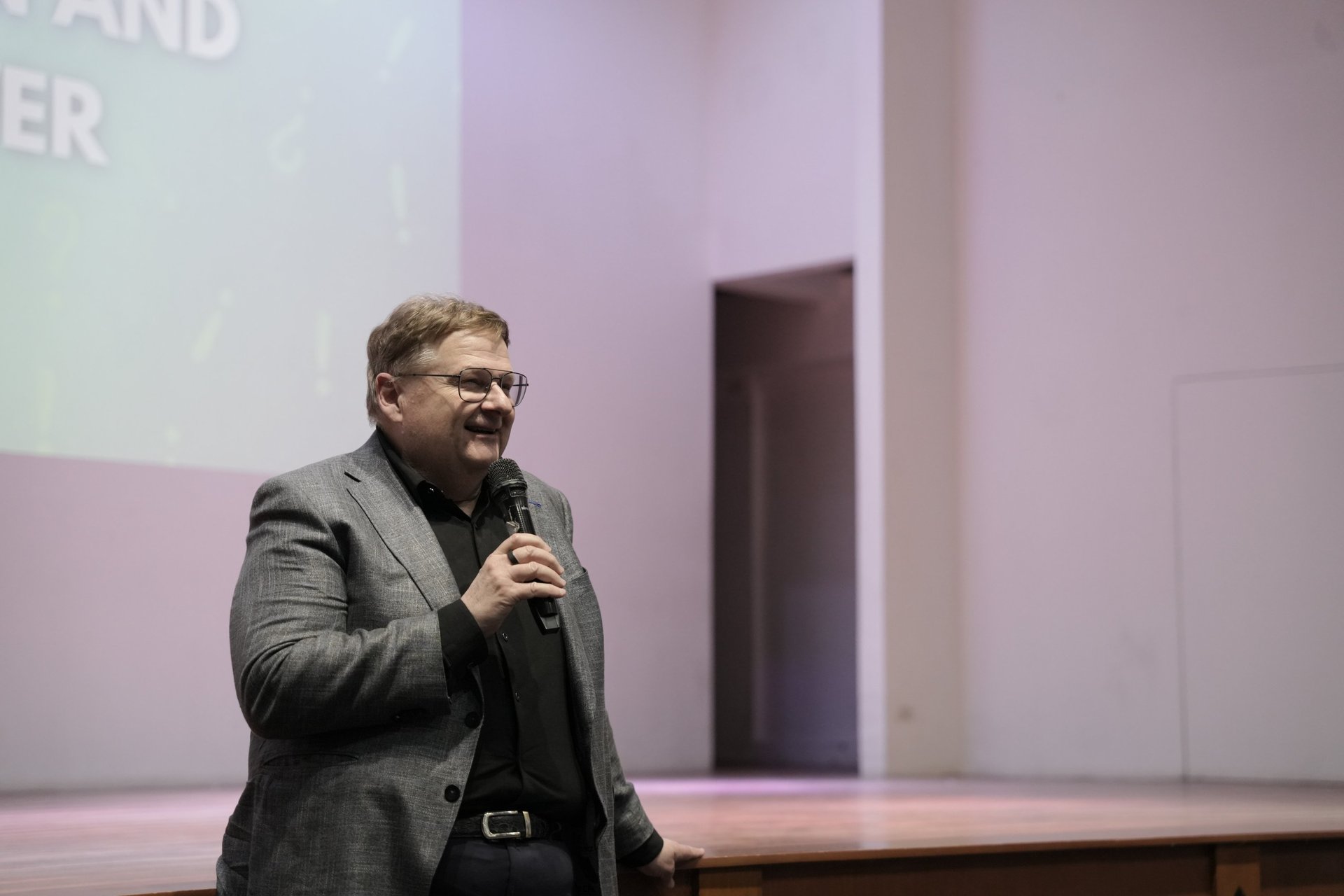

Peter Holtz, CPA and Certified Tax Planner with nearly 40 years of experience, officially launches his first podcast feature on 21st Century Entrepreneurship with Martin Piskorik — and it’s a must-listen for serious business owners.
In this powerful conversation, Peter explains why most entrepreneurs misunderstand taxes, profits, and the true role a financial advisor should play in building wealth. Too often, accountants act as what Peter calls “box fillers” — simply preparing and submitting returns. But real financial leadership goes far beyond compliance.
From Compliance to Wealth Strategy
Peter introduces his Business Wealth Cycle — a repeatable framework designed to turn profits into long-term financial security.
As he explains:
“Business is very, very easy… figure out what makes you money and do it over and over again.”
The simplicity is powerful — but only if you understand your numbers.
The 4-Step Business Wealth Cycle
1. Understand Profitability
Before chasing growth, know where your margins truly come from.
2. Minimize Taxes Strategically
With proactive planning, many entrepreneurs can reduce taxes by an average of 40%. Without planning, Peter warns, business owners may lose “up to 50% of your profits… to the government.”
3. Reinvest Tax Savings Back Into the Business
Every dollar saved becomes capital for hiring, marketing, systems, and infrastructure.
4. Invest Strategically to Compound Wealth
Disciplined reinvestment over time builds financial security and optionality.
The key message: Tax strategy must be integrated with business strategy.
Entity structure, compensation planning, write-offs, financial reporting, and exit planning all interact. Once revenue surpasses $1M or profits exceed $500K, entrepreneurs need CFO-level thinking — even before hiring a full-time CFO.
AI Can Assist — But Judgment Wins
Peter also addresses the growing role of AI in finance. While AI can provide averages and research support, tax decisions require context and experience.
“Anytime you take a write-off, it’s a legal position.”
True strategy requires judgment — not just automation.
Building Wealth, Not Just Revenue
This episode gives entrepreneurs a practical framework for:
Keeping more of what they earn
Reinvesting intelligently
Leveraging clean financials for borrowing and exits
Creating long-term wealth and flexibility
If you’re serious about scaling profitably — not just growing revenue — this conversation delivers clarity and actionable insight.
Listen to the Full Episode:
Spotify: https://bit.ly/4rJkuO5
Apple Podcasts: https://apple.co/3PcXPva
YouTube: https://bit.ly/4cqk8r8
LOCATIONS


Boston Office
55 Court St, Boston, MA 02108
Manteca Office
160 N Grant Ave, Manteca, CA 95336
Rancho Cucamonga Office
9045 Haven Ave, Suite 100, Rancho Cucamonga, CA 91730
Roseville Office
2270 Douglas Blvd, Suite 212, Roseville, California, 95661